)
)
)
Home → Home Gift Categories → Wellbeing & Candles
Scottish candles connect customers to something elemental: heather, sea air, pine forest and peat smoke. For retailers, that emotional pull is what drives the purchase.
Celtic candles have grown alongside the wider celtic wellbeing movement, as customers seek out products that bring natural calm and a sense of place into their homes. Suppliers at Scotland's Trade Fairs offer botanical soy candles, Celtic-inspired fragrance ranges and premium gift sets built for the home fragrance and wellbeing market.
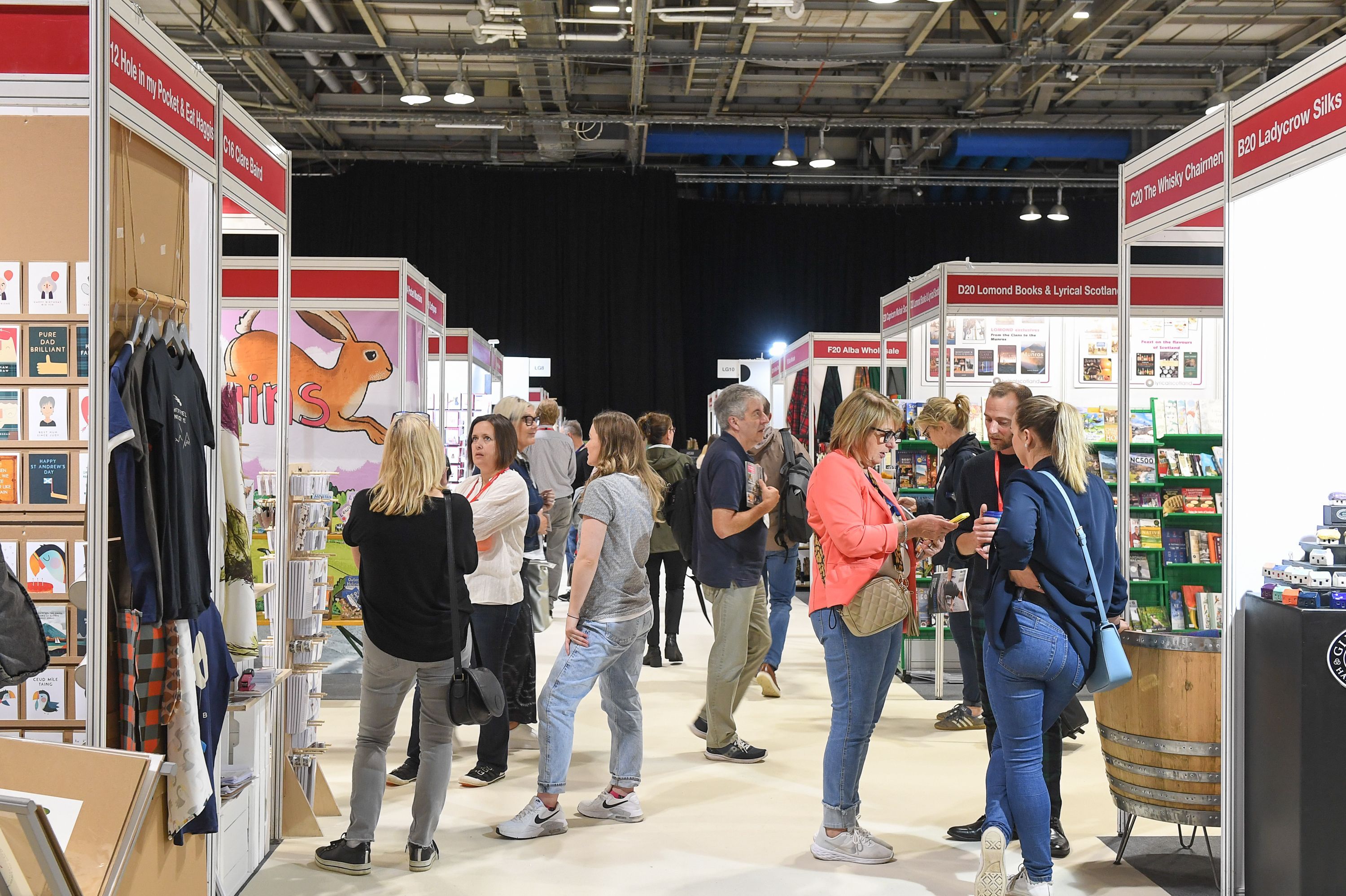
Scotland's Trade Fairs connects wholesale candle and home fragrance suppliers with retail buyers at Glasgow SEC each January.
)
Wellbeing & Candle Suppliers
Scottish candle and home fragrance suppliers at Scotland's Trade Fairs include small-batch botanical makers, established celtic candles UK brands and specialist wellbeing gift producers, all creating ranges with a genuine Scottish and Celtic identity. Browse the carousel to see who is exhibiting.

)
)
)
)
)
)
)
)
)
)
)
)
)
)
Featured Products
Celtic candles, Scottish botanical fragrances, wellbeing gift sets and home fragrance collections, browse featured products from exhibiting suppliers and explore the ranges available to order wholesale.
)
)
)
)
)
)
)
)
)
)
)
)
)
)
)
FAQs
This category covers wholesale celtic candles, Scottish candles, home fragrance products, reed diffusers, wax melts and coordinating gift sets, all carrying a Celtic or Scottish identity.
Fragrance profiles typically draw on Scottish botanical and landscape references: heather, coastal air, pine, peat and whisky feature among the most common.
Alongside individual candles, many suppliers offer seasonal collections and gift sets that allow retailers to range across price points without needing to source product from multiple different brands.
The celtic wellbeing movement reflects a broader shift in how consumers think about the products they bring into their homes: natural ingredients, heritage connections and a sense of slow, grounded living have all gained commercial weight.
Candles with Scottish botanical formulations, natural wax and Celtic-inspired branding sit directly in this current, particularly among customers who are buying for themselves rather than purely as a gift.
For retailers, stocking celtic candles that align with this trend means selling into growing demand rather than working against it, which typically shows in sell-through rates and fewer markdowns.
Candles are a regulated product category and the quality of what you source matters practically as well as commercially.
When visiting suppliers at Scotland's Trade Fairs, it is worth asking about wax type, since soy, rapeseed, beeswax and coconut wax are the most common natural options and each has different burn characteristics.
Fragrance load, burn time and compliance with current UK candle safety regulations are equally important questions. Any reputable wholesale candle supplier should be able to provide safety data sheets and confirm that their products meet UK fragrance standards, and those who cannot are worth approaching with caution.
Scottish candles sell consistently online, particularly as purchased gifts rather than self-buys, and search interest around celtic candles UK and Scottish home fragrance is well established and growing.
Products with clear natural credentials, a distinctive Scottish fragrance story and attractive packaging photograph well and convert reliably on gifting platforms and through independent e-commerce.
When meeting suppliers at the show, it is worth asking whether they can provide trade-ready photography and product descriptions alongside their wholesale terms, as suppliers who support this make online listing considerably more straightforward for their wholesale buyers.
Register Now to attend Scotland's Trade Fairs at Glasgow SEC on 24-26 January 2027 and visit candle and home fragrance suppliers at your own pace.
Candles are a category where actually smelling and handling the product in person makes a genuine difference to buying confidence, which is one of the practical reasons the show works particularly well for this type of sourcing.
Celtic candle makers and Scottish home fragrance brands who want to connect with wholesale buyers can Apply for a Stand by contacting Springboard Events directly.
In Celtic tradition, fire and light held deep spiritual significance.
A lit candle was associated with protection, spiritual connection and welcome, reflecting the Celtic emphasis on hospitality and the warmth of the hearth as a sacred space.
The use of fire in Celtic ritual practice predates Christianity, with the winter solstice and Celtic festivals such as Samhain and Imbolc built around ceremonial light and bonfires.
Many Celtic candle brands draw on this symbolism in their design and messaging, connecting the everyday act of burning a candle to a longer tradition of intentional, meaningful light.
For retailers, this cultural narrative supports premium positioning and gives customers a story to share when they buy as a gift.
Wax type is increasingly important to wholesale candle buyers, as it directly affects burn performance, environmental credentials and customer appeal.
The main natural options are soy wax (clean-burning, plant-based and widely regarded as the most accessible natural choice), coconut wax (premium, with a very clean burn and slower fragrance release), rapeseed wax (UK-grown and increasingly used by British indie candle makers), and beeswax (natural and sustainable but rarely vegan-friendly).
Paraffin, a petroleum derivative, is the least desirable from an eco and health credential standpoint.
Most Scottish candle suppliers exhibiting at Scotland’s Trade Fairs use natural wax formulations, but confirming wax type and fragrance source (essential oils versus synthetic fragrance) is standard due diligence before listing a candle range.
The majority of Celtic and Scottish candle ranges produced for the wholesale gift market are vegan-friendly, as most use plant-based waxes and synthetic or essential oil fragrances rather than animal-derived ingredients.
Beeswax candles are the notable exception, and suppliers producing these are typically explicit about it in their product descriptions.
When sourcing at Scotland’s Trade Fairs, it is worth asking each candle supplier whether their products carry vegan certification or can be described as vegan-friendly.
This is now a standard customer question across gift, wellness and homeware retail and affects purchasing decisions for a significant proportion of end customers.