)
)
)
Home → Home Gift Categories → Watches
Celtic watches occupy a distinctive corner of the Scottish gift market: higher in value, longer in consideration and bought by a customer who knows exactly what they want.
Unlike impulse gift purchases, a celtic watch is chosen with purpose — for a significant birthday, a graduation, a retirement, or by someone who simply wants a timepiece that speaks to where they come from. Getting the wholesale range right is what separates retailers who turn stock consistently from those who sit on it.
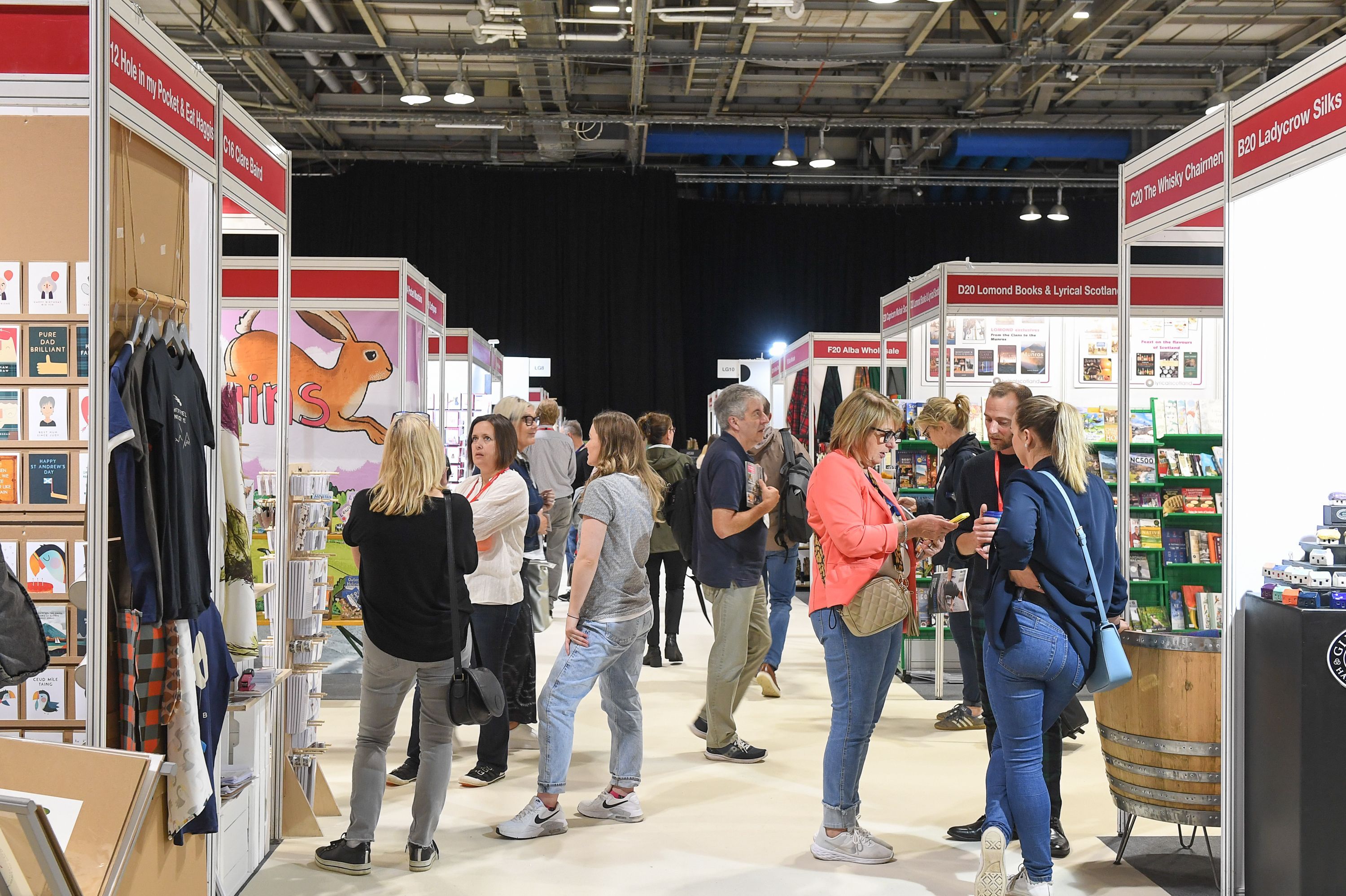
Scotland's Trade Fairs brings watch and accessories suppliers together with buyers from gift, fashion and heritage retail at Glasgow SEC.
)

)
Featured Products
Celtic knotwork dials, tartan straps, clan-inspired engravings and Scottish heritage designs, scroll through featured products to explore the watch and timepiece ranges available to order wholesale from exhibiting suppliers.
)
FAQs
A celtic watch incorporates traditional Scottish or Celtic visual identity into its construction or presentation, most commonly through dial designs featuring Celtic knotwork, case engravings with thistle or clan motifs, tartan or leather straps in heritage colourways, or packaging that references Scottish cultural tradition.
The strongest performers in retail combine genuine design intent with reliable movement quality, giving the customer a timepiece that functions as well as it looks. Suppliers exhibiting at Scotland's Trade Fairs produce ranges with this balance specifically in mind, made for gift and heritage retail rather than volume fashion.
Celtic watches and Scottish watches are predominantly occasion purchases: significant birthdays, milestone anniversaries, retirements, graduations and coming-of-age gifts are the primary buying motivations.
For retailers, this is commercially useful because it keeps demand relatively steady throughout the year rather than concentrated in one season. It also means the customer standing at your counter has typically already made their decision and is ready to commit, which supports full-margin selling without promotional pressure.
Watches require more considered retail display than most Scottish gift categories, security, lighting and presentation all affect how well the product sells.
When visiting suppliers at Scotland's Trade Fairs, it is worth asking about display unit options, recommended retail layout and whether branded point-of-sale material is available to support the range in-store. Minimum order quantities for watches tend to reflect the higher unit value, meaning buyers can often start with a focused initial selection before broadening stock once the range has proven itself with your customers.
Where most Scottish gift categories compete on volume and visual impact, celtic watches compete on considered value.
The customer buying a celtic watch is typically spending more, taking longer to decide and placing more weight on design quality and the story behind the product.
This makes watches a genuinely useful addition to a broader Scottish gifts range: they anchor the top of your price architecture, draw in a different type of shopper and give you a category that can drive meaningful revenue from a relatively small number of transactions. Stocking both accessible gifts and higher-value pieces gives your retail offer real range integrity.
Register Now to attend Scotland's Trade Fairs at Glasgow SEC and visit watch and accessories suppliers at your own pace on the show floor.
The format gives buyers time to examine movement quality, assess design details and discuss wholesale terms properly, without the time pressure of a formal appointment.
Watch brands and Celtic accessories designers who want to reach gift, fashion and heritage buyers can Apply for a Stand by contacting Springboard Events directly.
Celtic watches typically feature one or more of the following design elements: Celtic knotwork on the dial, case back or strap; the Claddagh symbol; the Trinity Knot; tartan patterns on straps or dials; thistle engravings; clan crest motifs on the case back; and Highland imagery such as stags or thistles on the face.
The most commercially successful designs in retail tend to combine a strong, recognisable Celtic symbol with quality movement and clear presentation packaging.
For heritage and gift retail, watches with an engraving option on the case back are particularly valued, as personalisation drives gifting purchase decisions significantly.
Celtic watches available at wholesale are typically offered in two movement types.
Quartz movements are the most common, powered by a battery, accurate and low-maintenance. They represent the strongest-selling option for gift retail due to their reliability and accessible price points.
Mechanical and automatic movements are more premium, appreciated by customers who value traditional watchmaking craft.
Some Celtic pocket watches from specialist producers use mechanical movements as a design feature, often with exhibition case backs that display the working mechanism.
When assessing a wholesale watch range, confirming movement type, battery life for quartz pieces and the availability of replacement parts is practical due diligence.
Many Celtic watch suppliers offer personalisation options, most commonly engraving on the case back.
This is worth confirming when meeting suppliers at Scotland’s Trade Fairs, as it is a significant driver of gifting purchase decisions, particularly for milestone occasions such as birthdays, retirements, graduations and weddings.
Retailers who can offer engraving in-store or facilitate it through the supplier consistently report higher conversion rates on watch sales.
Ask each exhibitor whether they offer engraving as standard, at what minimum quantity, and what the typical turnaround is for personalised orders.