)
)
)
Home → Home Gift Categories → Clothing
The clothing category at Scotland's Trade Fairs covers everything from celtic clothing and tartan to contemporary Scottish fashion.
Buyers will find wholesale suppliers across a wide range of apparel, knitwear, highland wear, womenswear, accessories and more, all exhibiting under one roof at the Glasgow SEC.
Whether you run a heritage shop, a tourist retail outlet or a fashion boutique, there are ranges here built for strong margins and genuine customer demand.
Scotland's Trade Fairs is where serious buyers and trusted clothing suppliers come together.
To attend the next show on 24–26 January 2027, or put your brand in front of buyers from across the UK.
)
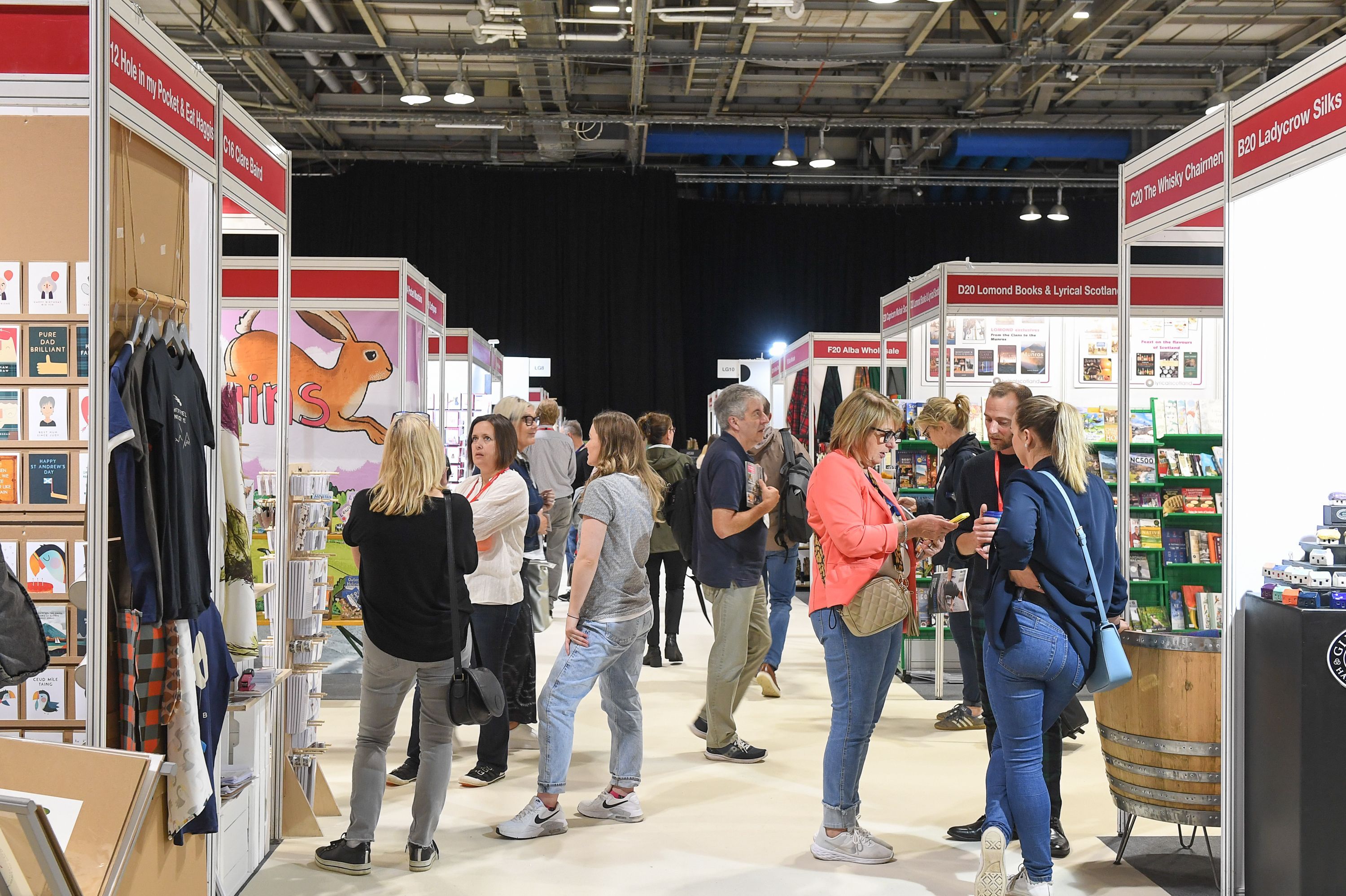
Clothing Suppliers
From heritage celtic clothing specialists to contemporary Scottish knitwear brands, the clothing suppliers at Scotland's Trade Fairs span a broad and commercially strong range. Browse each exhibitor profile to explore collections, minimum orders and wholesale terms.

)
)
)
)
)
)
)
)
)
)
)
)
)
)
)
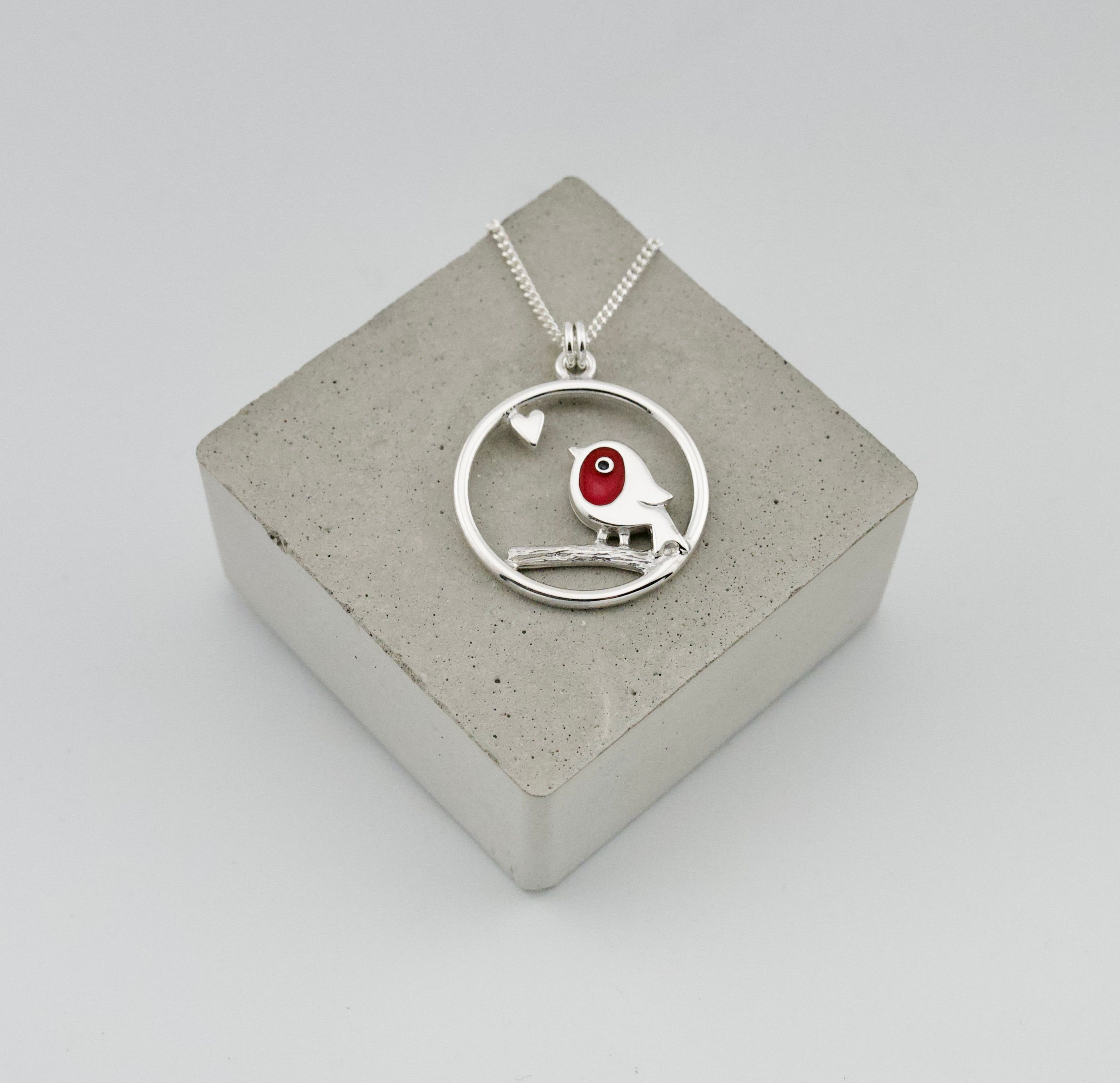
Featured Products
Get a closer look at some of the wholesale clothing available from exhibitors at Scotland's Trade Fairs
from authentic celtic apparel and tartan accessories through to fashion-forward Scottish womenswear. Click through to find out more.
)
)
)
)
)
)
)
)
)
)
)
)
)
)
FAQs
1. What does the clothing category cover?
This category brings together wholesale suppliers across a wide spectrum of apparel, including celtic clothing, tartan accessories, kiltware, highland wear, knitwear and contemporary Scottish fashion.
Exhibitors range from heritage specialists producing handcrafted pieces to modern clothing brands with broad wholesale ranges. It's one of the most varied categories at Scotland's Trade Fairs, and one of the most commercially relevant for retail buyers sourcing distinctive clothing.
2. Who is this category aimed at?
This section is relevant to any buyer sourcing wholesale clothing for their shop or online store, particularly those looking for celtic apparel, traditional Scottish clothing or fashion lines with a point of difference.
It's popular with tourist retailers, heritage locations, gift shop owners and independent fashion boutiques who want ranges with genuine cultural appeal and strong retail margins.
3. What are the wholesale requirements?
Minimum order quantities and pricing terms vary by exhibitor. Most suppliers at Scotland's Trade Fairs offer tiered wholesale pricing and are happy to discuss opening orders with new stockists. Meeting suppliers face to face at the show is the most direct way to agree terms, view samples and understand pack sizes before committing.
4. How are wholesale prices structured across the clothing ranges?
Suppliers typically offer a wholesale price alongside a recommended retail price, giving buyers a clear picture of margin from the outset.
Whether you're sourcing celtic clothing, knitwear or contemporary Scottish fashion, most ranges are designed with strong retail markups in mind, well suited to independent retailers working across different price points.
5. What styles of clothing are available to buy wholesale?
The range is broad. Expect to find traditional celtic clothing and tartan accessories alongside Scottish knitwear, highland wear, womenswear and fashion-led apparel. Some exhibitors focus on heritage and craft, others on commercial wholesale volume, giving buyers the flexibility to build a range that suits their retail environment and customer base.
7. How do I source wholesale clothing suppliers through Scotland's Trade Fairs?
Register to attend the show at Glasgow SEC on 24–26 January 2027 and meet clothing suppliers directly on the floor. You can browse supplier profiles and featured products on this page ahead of the show, then plan your visit around the exhibitors most relevant to your buying needs.
8. How can a clothing supplier apply to exhibit?
Suppliers of celtic clothing, tartan, knitwear, Scottish apparel and related fashion lines can apply for a Stand by contacting the organising team at jak@springboardevents.com. Scotland's Trade Fairs attracts a highly qualified audience of independent retail buyers from across Scotland and the wider UKm making it an ideal platform for reaching new stockists.
9. Why is Scotland's Trade Fairs the right place to buy or sell clothing?
Scotland's Trade Fairs is the country's largest trade event for home, gift and clothing, held annually at the Scottish Event Campus in Glasgow.
For clothing suppliers, whether you specialise in celtic apparel, contemporary fashion or traditional Scottish ranges, the show offers direct access to buyers who are actively sourcing, not browsing casually. For buyers, it's the most efficient way to discover new wholesale clothing suppliers, compare ranges in person and negotiate terms on the spot.
Celtic clothing refers to garments and accessories that draw on the textile traditions and design heritage of the Celtic peoples of Scotland, Ireland and Wales.
In a modern wholesale context, this covers Harris Tweed jackets and accessories, tartan clothing, Aran knitwear, traditional Highland dress items, and contemporary fashion that uses Celtic motifs, natural fibres and heritage-inspired colour palettes.
The unifying characteristic is a connection to place, craft tradition and cultural identity rather than a single defined aesthetic.
Natural fibres are central to the Celtic clothing tradition.
Lambswool, merino and Shetland wool are the backbone of Scottish knitwear.
Harris Tweed must by law be hand-woven by islanders in the Outer Hebrides using pure virgin wool, making it one of the most protected and distinctive fabrics in the world.
Tartan is woven in wool or wool blends in hundreds of registered clan and regional patterns.
Linen, cotton and contemporary natural-blend fabrics are increasingly used in fashion collections that draw on Celtic heritage aesthetics.
When sourcing at Scotland’s Trade Fairs, fibre labelling and production origin are worth confirming directly with each exhibitor, as these details matter to the end customer.
Many Celtic and Scottish clothing suppliers at Scotland’s Trade Fairs prioritise natural, sustainably sourced materials.
Wool is a renewable fibre, and several Scottish mills and independent producers emphasise slow fashion principles, small-batch production and ethical sourcing.
Harris Tweed production is inherently sustainable, as it is hand-woven in small volumes by individual weavers.
Buyers increasingly raise eco credentials when sourcing, and most exhibitors at the show can provide details on their materials, production locations and sustainability commitments on request.